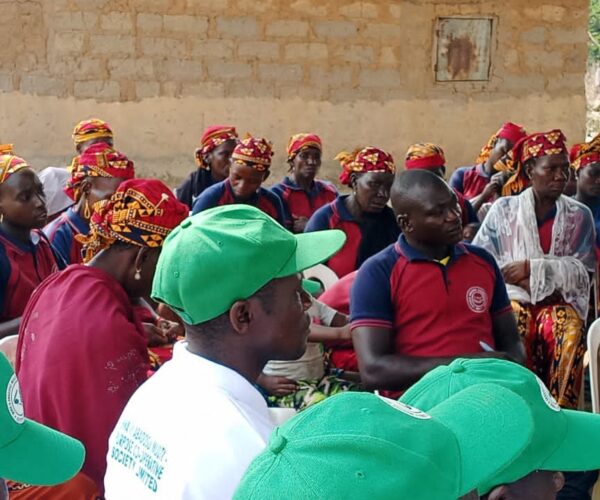
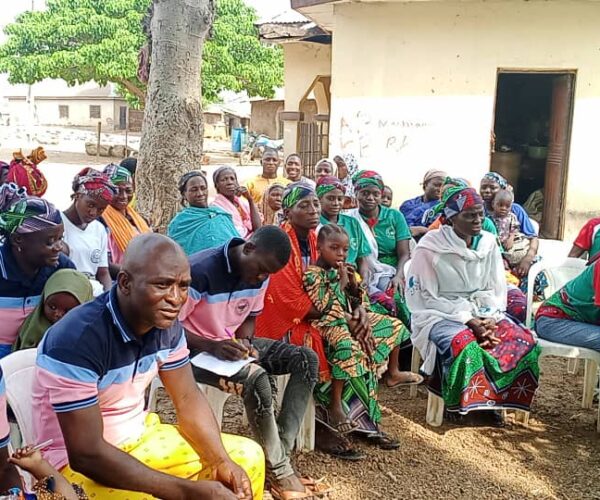
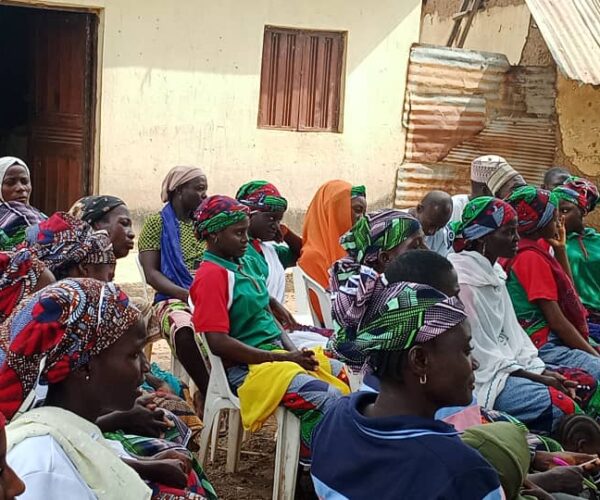
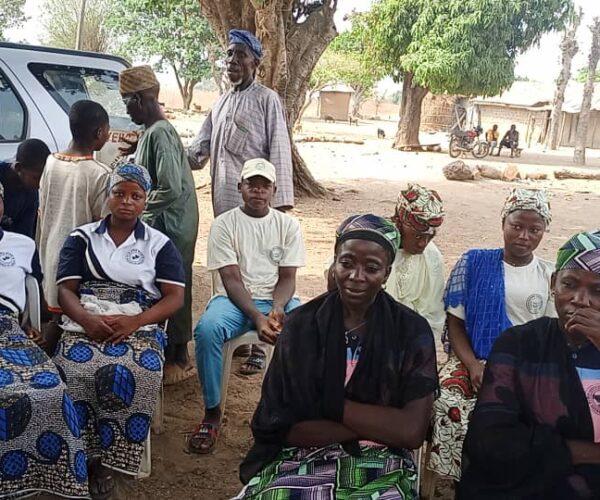
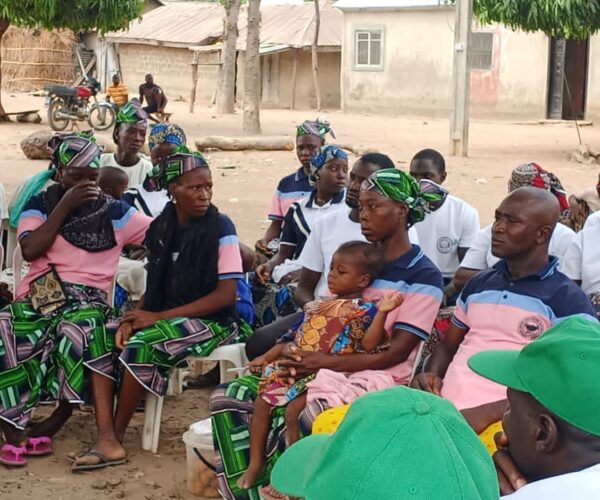
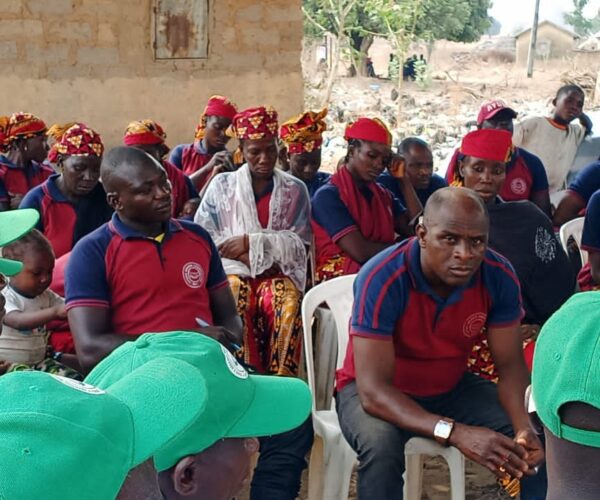
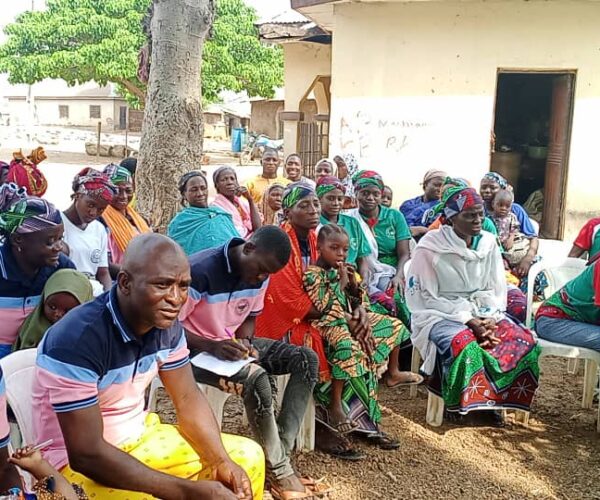
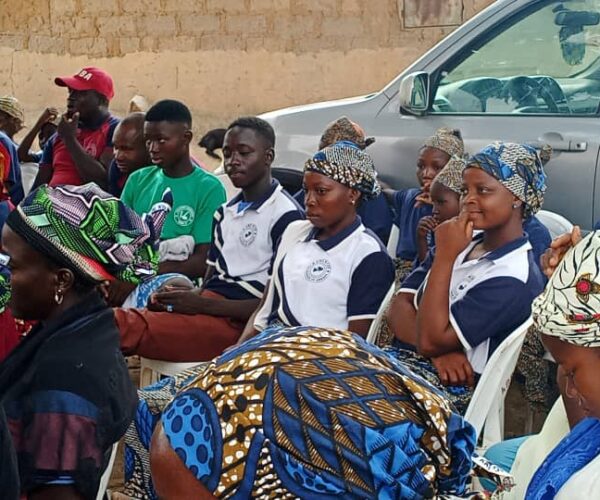
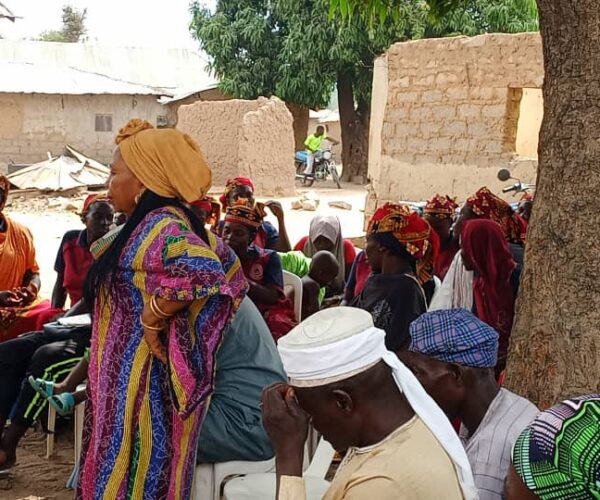
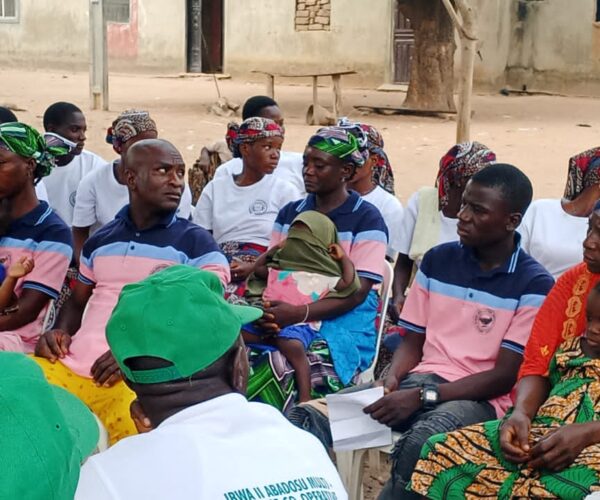
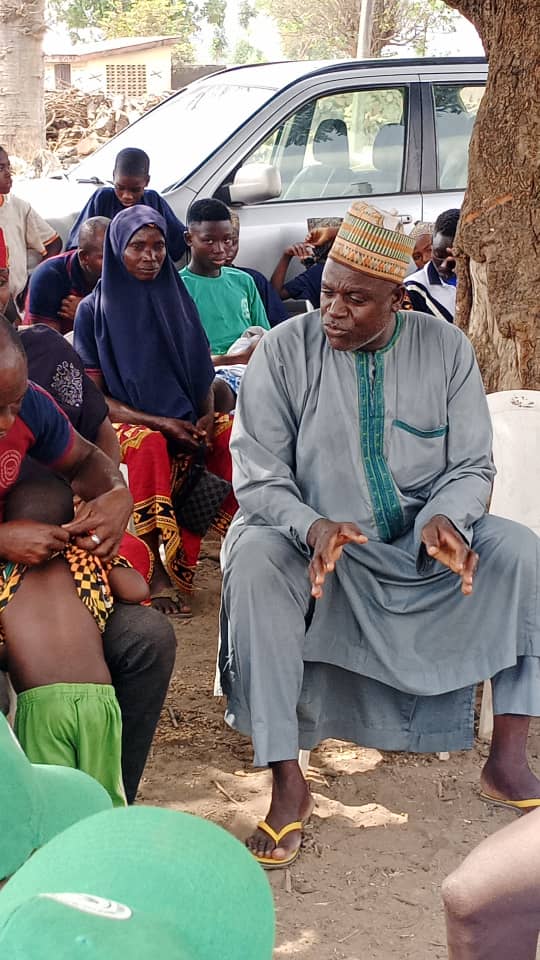
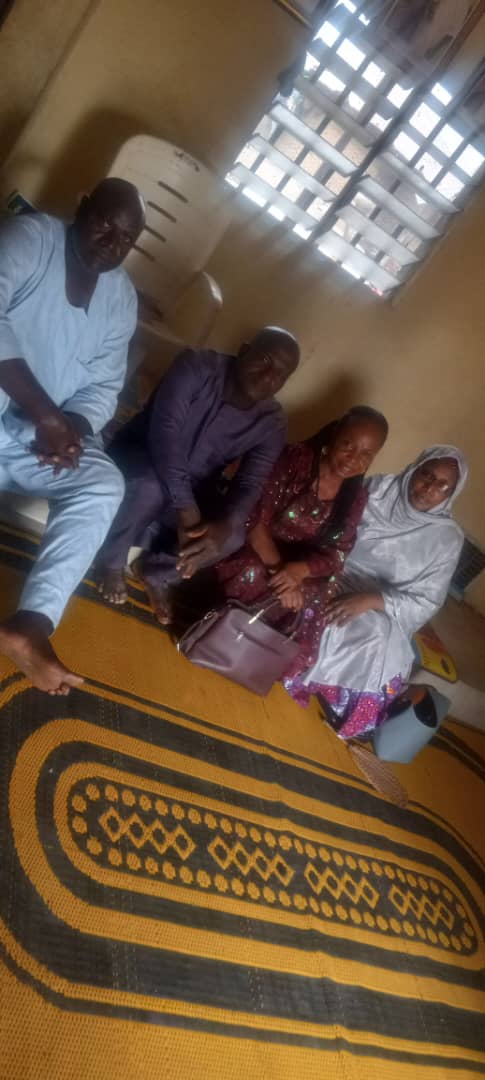
The cordial and impactful relationship that exists between DPat Foundation and Ibwa II community, a remote community in Gwagwalada Area Council, has continued to yield multi-facet results touching so many areas of the community.
In addition to the PROJECT60 scholarship scheme which DPat Foundation kick-started from the Ibwa II community of Gwagwalada Area Council of the FCT Abuja, there has being a continuous relationship between the foundation and the community. This relationship has impacted this community in several ways which include grassroots farmers empowerment, grassroots women empowerment through skills acquisition etc.
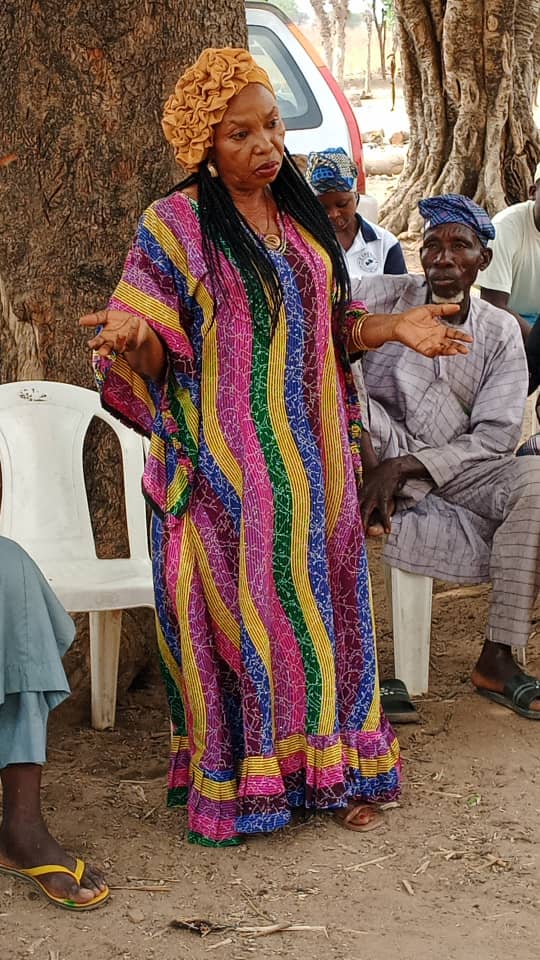
Recently, in the month of February, 2024, the president of DPat Foundation was at the community where she had meetings with the various men and women progressive groups of the community as well as the Chief of Ibwa II, Abubakar Bamayi where she also announced the full payment of a school session fees of the over 60 children being sponsored under the scholarship scheme of the foundation.
Below are images from the recent visit and meetings.
In a nutshell, a business plan clearly describes the goal and objective of an existing or proposed business, showing its current status and vision of the future. It projects future opportunities and outlines how and from where the funds (needed) will come and maps the marketing, organizational, operational and financial, strategies (sub-plans) that will help achieve the overall goal.
WHO IS A BUSINESS PLAN FOR? (WHO NEEDS THE BUSINESS PLAN)?
The business owner himself: that is, you. It provides you focus, order, discipline and structure which help you run your business professionally. A well written business plan provides workable systems. With a workable system the business will have a soul and life of its own separate from yours. Without it your weakness becomes the weakness of the business.
Partners: should you wish or decide to have partners now or in the future, they will be able to see clearly what your vision is for the business so they can run with it and with you.
Financial institutions: these may be interested in providing facilities but surely will need to know where the venture is headed.
Venture capitalists: these are business men and women who are looking for business they can help invest in with a view to recouping profits.
Angel investors: these are wealthy individuals who may want to help invest in your business with or without a desire for personal gains and must be convinced that you are headed in the right direction.
WHEN DO YOU PREPARE A BUSINESS PLAN?
During, at or before start-up stage: having your business plan ready and handy as a start-up is a smart thing to do.
At transition point of your career: that is, at the time you are thinking of either changing your career from paid employment to self-employment or combining entrepreneurship with your job.
New product development stage: a thriving business enterprise may wish to introduce a new product line into the existing one(s). A business plan should be done for this planned move.
When entering into a new market: this could include when opening a new branch in a different market environment.
During time of expansion: the above two situations could apply here.
At the time of strategic re-branding, re-engineering, realignment or redirection of business and its operations: this is like starting over (more or less), therefore it need business plan.
WHY BUSINESS PLAN? (FUNCTIONS AND MERITS)
It shows the exciting prospects and potentials for grow the of your business
It projects future opportunities for your business.
It helps attracts capitals, investors and other resources.
It shows potential investor (venture capitalists, angel investors and financial institutions) that you know where you are going and therefore can compel them to go with you.
It helps you properly define your business and also focus on your objectives per time.
It identifies customers. That is, it identifies markets.
It maps out marketing and sales strategies.
It maps out operational processes.
It maps out management procedures.
It helps identify costs. That is, it projects your financial requirements.
It forecasts revenues and expenditures
It shows future ROI and profitability of your idea(s).
STEPS TO BUSINESS PLANNING
To put a good business plan together, there are steps that must be taken. These are preliminary activities that will help you organize your data, information, thoughts and ideas which will eventually form the plan as a document. These steps are:
IDEATION (Idea generation): sit down and think through what you want. Most ideas come from recognizing a problem people or yourself are facing. Most businesses are conceived and born out of a burning desire or a heavy burden to solve a need. It is most likely you already have a vague idea about the business, otherwise you probably wouldn’t be thinking of writing a business plan.
The idea usually is a solution you want to proffer to a problem (to meet need or set of needs). Write down the needs to be met or problem(s) to be solved and ask yourself the questions:
What is the problem?
Can the problem be solved?
Can I solve it?
How can I solve it?
How can I organize the skill(s) and expertise to solve it?
Where can I source for the resources, materials, produce or products to solve the problem (meet the needs)?
Etc.
INCUBATION (incubate your idea): the incubation period is like that period when a bird sits on its eggs brooding over it. The egg are potential chicks alright, but the chicken must keep warming it as she keeps turning it under her bosom till the chicks are fully formed for Some ideas sure may require urgent action while others need time to mature. The incubation period is the period of training, learning of new and relevant skills, and finding things out from the fields. This period and its activities help you remove wrong assumptions, correct erroneous information and ideas. It is the time for the maturity of your idea. You don’t need to be hasty; your idea must develop muscles and bones for stamina.
FEASIBILITY STUDY (due diligence): following and/or including in the incubation period is the period of due diligence. It is the time to sit down and do the math and information gathering. Ask yourself more questions and do your PESTLE (Political, Economic, Socio, Technological, Legal and Environmental) analysis:
Is the political environment and reality suitable for the business? What foreseeable political threats are there to avoid or look out for?
Is my business idea feasible economically in both the short term and long term period? Will there be a sustainable market for it.
Is itsocially acceptable (will the product/service be acceptable to the people’s religion/ and culture)?
Do I have the technology or can I access the technology/technological skills required to operate the business?
Is it legally feasible? What laws of the land would the business run foul to? Have I or how can I meet all the legal requirements (e.g. tax requirements, compliance with regulatory bodies like NAFDAC, SON, education board etc)?
How environmentally feasible; adaptable, friendly, acceptable etc, is the business (e.g. in terms of factory location, waste disposal, smoke emissions etc, from the factory)? Also can the environment have adverse effect on the hygiene, quality/standard, movement/transportation or storage of the products? Will the climatic condition be right for the product/service etc?
Other questions to ask yourself can be: Do I need to serve under some experts in the field to learn certain secrets or should I start small and learn those secrets as I go along? What should I do about it? The questions you asked yourself during ideation can still be asked here and more.
PERSONAL SWOT ANALYSIS: carry out S.W.O.T. analysis test on yourself as a person, not on the business at this stage. Examine yourself. Do soul searching exercises. Determine your strengths, weaknesses, opportunities and Do I have the needed passion that will carry me through where sheer determination fails in the face of adverse circumstances? Do I have the personal character strength that can help me run the business or flaws that can ruin my efforts? What are my skills, expertise, knowledge, experiences etc that the business will leverage on? What opportunities lie on my path in the business? What are the possible pitfalls? What should or can I do about them? SWOT analysis test must be done in all honesty. Weaknesses and threats must not be wished away. They must be admitted with a view to solving them. Often the strengths and opportunities can cancel them out or off-set them. The strengths and opportunities you list out must not be what you wish or hope to have but what you know to be the realities already.
PROFILE THE MARKET: Know and understand the size, class, segment and emotions of your target market. Determine if you are selling to a general (mass) market or you want to have a niche.
KNOW YOUR COST: determine your cost and your price. Profiling your market helps you know how to present your produces/products or services which in turn determine your cost and consequently, your price. Your outcome here will greatly influence and reflect in your market/sales plan. Always have it in mind (as simple as it may seem) that P=C+PM (i.e. Price = Costs + Profit Margin. This will be covered in detail under price and cost calculations in part two)].
KNOW/IDENTIFY YOUR COMPETITIONS: knowing your competitors and what they are offering the market in terms of quality, price, value, volume and customer care goes a long way to determine your acceptance and survival in the market. Your competitor’s failures are your opportunities; and their success is your challenge for improvement. Can your competitors be bench-marked? Who are they not serving well? How are they winning in the market place? Keep a close tab on them and research extensively on the ones that are your major threat, if necessary. Also be sure to make plan to stay several steps ahead of copycats. New innovations that sell usually get copied or counterfeited. This could do damages to your products or business image in the market.
SELLING/DISTRIBUTION METHOD: will you take your produces/products and services to your clients and prospects or will they come to your farm, factory or store? Will you bring them to your products or bring your products to them or do both and how? Would you sell online in addition to the traditional offline market? Are you going to sell to only off-takers (wholesales) or to retailers or to both and how? Your home work here will determine your distribution strategy.
LEGAL FRAMEWORK: you must fulfill or meet a number of legal requirements in order to authenticate or make your business a legal entity so as to do business the right way. Will you wish to register or incorporate your business? Would you start by registering the business name as Sole proprietorship form of business or incorporate it from day one? Which of your products/service need to be trademarked? Do you have any invention that need to be patented? Any intellectual property of yours in the business that need to be copyrighted? When do you want to copyright your business idea as an intellectual property? Do you need to register with any of NAFDAC, SON, NEPC and so on? If you have studied the second manual, which precede this, in this series, this will be easy for you.
CORPORATE IDENTITY: your business or company name, logo, colour, help create image that contribute to creating a mind share in the market place. What image or reputation do you want to have and retain in the mind of your prospects and customers? Though this will be done in lesser details in the business plan, you must state it in the plan string enough to hold you responsible. In other words, the issue of corporate image must be taken serious enough to be followed through. See the fourth manual in the series (see Quick Guide to PR and Business Communications Management for Aspiring Entrepreneurs, Start-ups and MSMEs for details).
FINALLY, HOW MUCH DO YOU NEED TO START OR EXPAND THE BUSINESS? And how much turn over or return on investment do you expect or project after the next twelve or twenty-four or thirty-six months? This will be determined when you cost every aspects involved. A good way to do this is to prepare a simple business model canvas.
For practical training on this, enroll for DPAT FOUNDATION’s training classes.
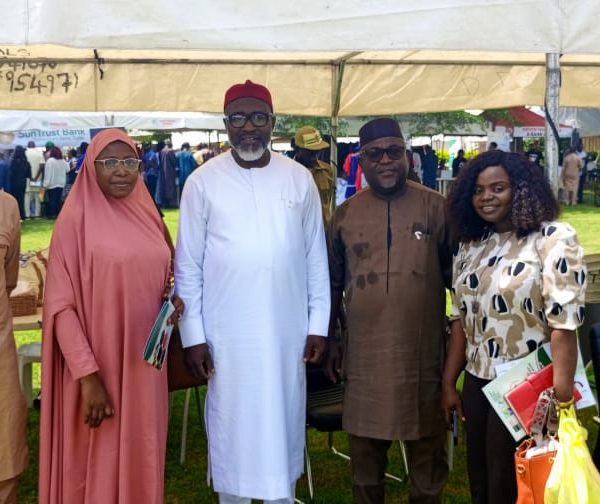
The Abuja Enterprise Agency, one of DPat Foundation’s long standing partners, held its 4th Abuja SMEs Expo in Abuja from 2nd to 4th of November, 2023. The of the Expos was “UNLOCKING OPPORTUNITIES: Leveraging Digital Technology for Nigerias MSMEs Under AFCFCTA.”
The event drew exhibitors and other participants from across the Federal Capital Territory. As usual, DPat Foundation was live at the event. The Abuja Enterprise Agency is known to provide platforms and avenues for MSMEs within the FCT. to lencourage and enhance their growth potentials through technical and other relevant supports.
Representatives of Dpat Foundation were there at the event. Below are some pictures from the event.
According to the latest reports on out-of-school children (OOSC) in Nigeria by the United Nations Educational, Scientific and Cultural Organisation (UNESCO) there are 20 million out-of-school children presently in Nigeria. Similarly, according to the
latest global data on out-of-school children in early 2023 by the United Nations Children Emergency Fund (UNICEF) the total number of out-of-school children in Nigeria is estimated to be over 20 million, 69 per cent of which is shared by the northern part of thecountry. A good number of these children have either never sat within the four walls of a school classroom or had dropped out either because they are orphans or their parents lacked the funds to put them through school. Many of these young people may grow up to constitute miscreants and may also enter into crimes.
In view of this looming danger and in line with Dpat Foundation, a non-governmental organisation that has for over four decades been involved in grassroots empowerment via skill acquisitions training and small scale business empowerment for women, girl-child and youths, recently floated a scholarship scheme and sixty (60) out-of-school children from within the FCT were pick and offered scholarship through primary to secondary school starting from the 2023/2024 academic session.
This is the first batch to be followed by subsequent batches in subsequent school academic sessions.Our focus is mainly on women empowerment and girl-child education, even though we do not exclude men and boys from our various schemes. We believe that the responsibility of making the future safer extends to making sure children today are inoculated with sound education. The children we ignore today will get our attention tomorrow through crime. All hands must be on deck to stem the alarming tides of out-of-school children and its attendant future consequence.
Members of the public are invited to be part of this ongoing project. Your partnership will go a long way. Partnership opportunities are at various levels. You can identify with the option that suits your capacity.
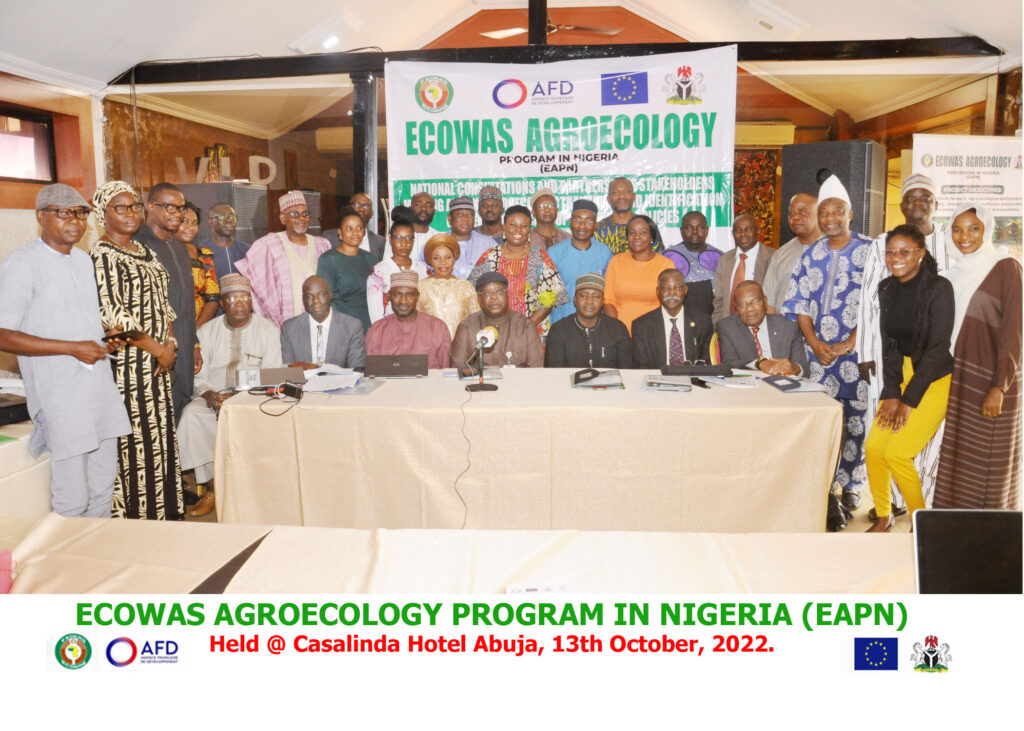
The program was organized by the Economic Community of West African States (ECOWAS) in conjunction with relevant international bodies. Important stakeholders were at the event, including D-Pat Foundation, represented by the Director, Elder Patience Ardey and other officials.
Scaling up comprehensive action plan that will ensure sustainable development and progress in agroecology was the main subject of discussion at the event. Discussants at the event harped on the need to to develop, adopt and dissemination of intensive ecological agricultural practices within family farms. This, they said, will improve food production, food security, better nutrition and agro-economic growth.
Agroecology is a sustainable system of farming that works with nature. It demonstrate how food production and nature can coexist harmoniously in the face of rising climate change. With agroeolocal practice farmers can mitigate effectively the effects of climate change and environmental degradation. The main goal of the programme was to support local farmers and help them integrate the system in their family farms throughout the region.
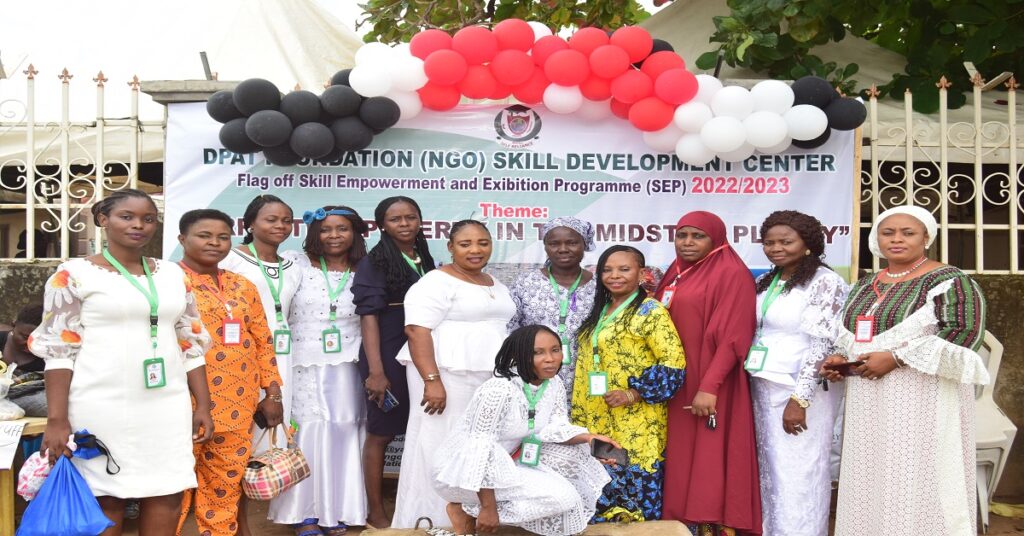
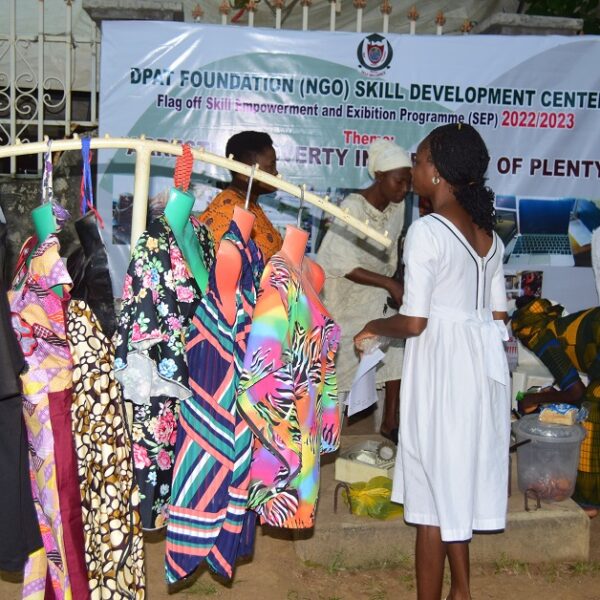
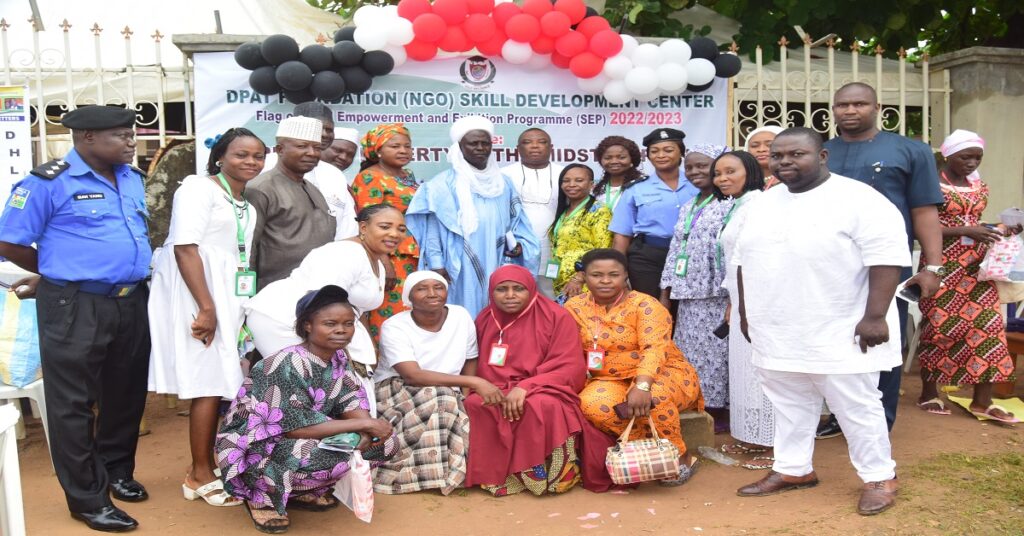
DPAT foundation, a duly registered and government recognized NGO has flagged off it’s 2022/23 skills empowerment program with the theme: “ARRESTING POVERTY IN THE MIDST OF PLENTY”. The event took place at its office in Gwagwalada, Abuja. It was attended by stakeholders, partners and dignitaries from all walks of life, and some government agencies such as National Directorate of Employment (NDE); Abuja Enterprise Agency (AEA); Federal Ministry of Women Affairs (FMWA); Bank of Industry (BOI); Air Wave Limited (AWL); and Bank of Agriculture (BOA); Others include Alhaji Idris Mohammed, Chief of trade (Sarkin Sana’ar Hannu), Gwagwalada Area Council, Area Commander, Police Community Relations Committee and several other dignitaries and women groups.
The National President/Founder, DPat Foundation, Elder Mrs. Patience Ardey, addressing guests and participants at the events.
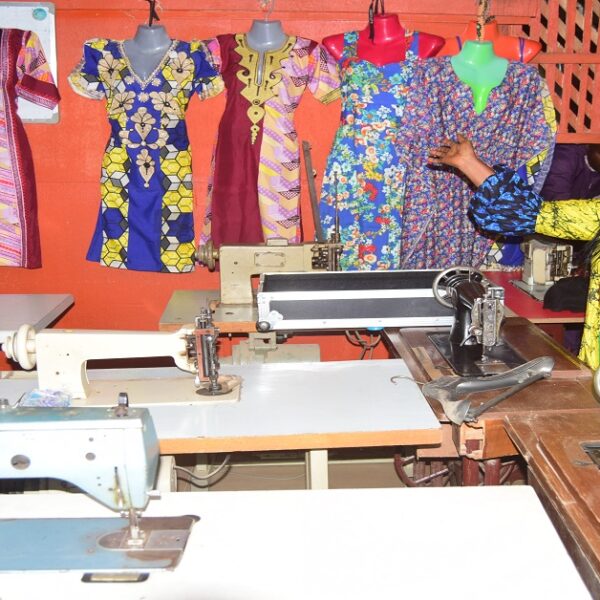
In her opening speech, President/ Founder DPAT foundation Elder (Mrs.) Patience Ardey said the foundation was established in 1986 here in Abuja. Since then the foundation has been training individuals and women groups on skills acquisition. She said several persons have benefited from various skills acquisition programs that the foundation has been offering. Some of skills include fashion designing, catering, and confectionery, computer training, hair dressing etc. Speaking further, Elder Mrs. Patience Ardey said the foundation has also helped several existing business and individuals to acquire more technical knowhow and achieve remarkable growth in their businesses thereby contributing to economic growth and development. She said DPAT foundation has acted as a bridge since 1986, connecting various government agencies such as Bank of Industry (BOI); Bank of Agriculture (BOA); National Directorate of Employment (NDE); Federal Ministry of Women Affairs (FMWA); Air Wave Limited (AWL); and others to the grassroots women and youths which they would not have been able to reach successfully. This linkage has helped the government in no small measure to achieve their set goals and objectives and reach the grassroots people with their various programs. In his paper presentation, the representative of National Directorate of Employment, Mr. Chimereze Noble said the agency has had a very long standing and useful relationship with DPAT Foundation.
A Representative of the Abuja Enterprise Agency giving participants business growth tips
He emphasized the importance of small businesses to the growth of the economy and that the President/Founder of DPAT Foundation has helped lots of rural Women and youths in their entrepreneurship journey. He expressed satisfaction with the growth of the foundation over the years and her numerous achievements. According to him, “women always multiply whatever is given to them and this is true of DPAT Foundation. “Mr. Ohalaba Isaiah, who represented Bank of Agriculture (BOA); at the occasion talked on available loan packages with single digit interest rate specially designed for women and small scale businesses. He encouraged entrepreneurs to start small and grow their businesses. He advised them not to depend on loans to start their business but rather see loans as an avenue to grow their existing business.
The representative of Abuja Enterprise Agency (AEA), Mr. Orji Stephen said the agency has been partnering with DPAT foundation since 2011 and they have had a very good relationship so far. In his paper which he presented at the occasion, he said the entrepreneur is a problem solver and a person who is ready to take calculated risks. Speaking further, he said the entrepreneur must have a passion for the business, must be a good negotiator and have people management skills in order to succeed. Highlighting some of the traits of an entrepreneur, he said, they always seek or look out for opportunities, have passion in the business, be persistent, goal setting and planning which must be written down, good quality products and good packaging, networking and persuasive, while having a good dose of self-confidence. Mr. Orji said successful entrepreneurs always look out for a problem to solve and make meaning out of it, while preparing themselves for the ups and downs of the business.
Representative of of the Area Commander, Nigeria Police Force, Gwagwalada.
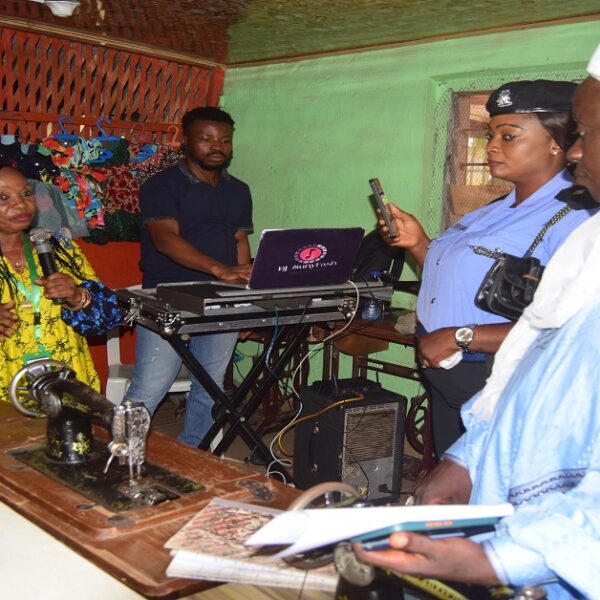
Security concerns also came to the fore as ASP Esther Emmanuel representing the Area Commander, Nigeria Police Force, Gwagwalada and Elder Taofik, PRO of Police Community Relations Committee (PCRC) gave brief talks on the need for individuals to participate in community policing and also oblige the Police of useful information that could assist their work. ASP Esther Emmanuel emphasized the importance of alerting the police if we noticed any suspicious things going on in our environment.
A senior officer of the Nigerian Police orienting participants on security tips
Alhaji Idris Mohammed, Sarkin Sana’ar Hannu of Gwagwalada Area Council was full of praises for Elder Mrs. Patience Ardey and DPAT Foundation because he is a beneficiary of the good works of the foundation. He said he draws a great deal of inspiration from Elder Mrs. Patience Ardey. He advised youths to learn valuable skills that will help them in life. “Handwork helps to reduce crime in the society”, he said. A goodwill message was also delivered by Mr. Nwaiwu Collins representative of Federal Ministry of Women Affairs.
Sarikin Sana'ar Hannu of Gwagwalada, Alhaji Idris Mohammed at the event
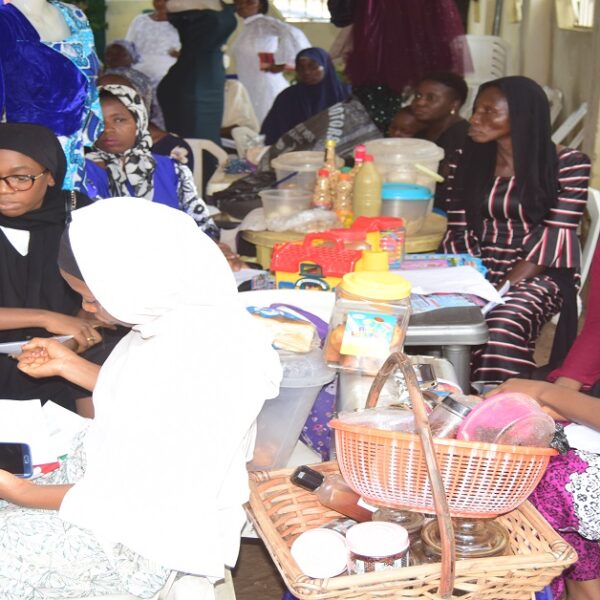
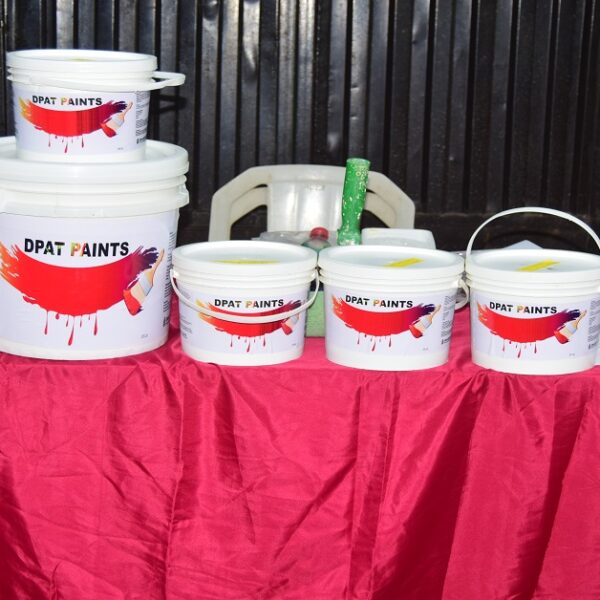
Some exhibition photos of the event.
The eventful and well packaged program ended with an exhibition show. The exhibition session was led by president of the foundation, Elder Mrs. Patience Ardey as she took the dignitaries round the various stands where trainees and graduands of DPAT foundation showcase their products and businesses. It was a beautiful and inspiring outing as partners, stakeholders and guests went round to see the products, goods and services on display and also engaged the business owners in conversation.
Some of the products on display includes paint products, organic fertilizer production, caterers, and school owners, building materials traders, fashion designers, process foodstuffs, nutritionist and organic health persons, plumbing experts, ICT etc. The event ended in a happy and satisfactory note for stakeholders, partners, exhibitors and all guests that were present.