
CURBING FOOD LOSS AND WASTAGE THROUGH FOOD PROCESSING AND PACKAGING
DPat Foundation is constantly exploring ways by which topics of grassroots economic growth can be brought to the front burner for public discourse and to the attention of stakeholders for positive actions. In this feature piece, we look into how as many cottage food processing and packaging industries as possible can be birthed across the country. This, we believe, will curb food loss and food wastage and also engender sustainable food security, employment generation and economic growth. .
Food loss refers to food that is discarded or LOST along the journey from production, harvest, post-harvest, storage, transportation and processing stages thereby failing to reach the retail and consumer stages. Food waste, on the other hand, refers to discarded or WASTED food at the retail and consumer levels. Both situations are due to inefficient or inadequate transportation, processing and storage facilities or systems. This is a stack reality even in the face of almost a billion people suffering from hunger and malnutrition everyday globally.
The Food and Agricultural Organisation (FAO) reports that approximately one-third of food from farm at harvest stage to final consumption is either loss or wasted throughout the supply chain. Thus food loss and wastage is estimated to 1.3 billion tons amounting up to 1 trillion Dollars annually. Food loss and wastage (FLW) or post–harvest losses are reported to occur more in Sub-Saharan Africa (SSA) than other parts of the world.
Bringing the statistics closer home, the World Food Programme (WFP) reported that “Conflict and insecurity, rising inflation and the impact of the climate crisis continue to drive hunger in Nigeria – with 26.5 million people across the country projected to face acute hunger in the June-August 2024 lean season.” This is a staggering increase from the 18.6 million figure released at the end of 2023. An earlier report by the United Nations released in 2021 revealed that food wastage in Nigeria per citizen is the highest in Africa. According to the report, Nigerian trash at least 189 kilograms of food every year, amounting to a total of 37.9 million tons of food annually.
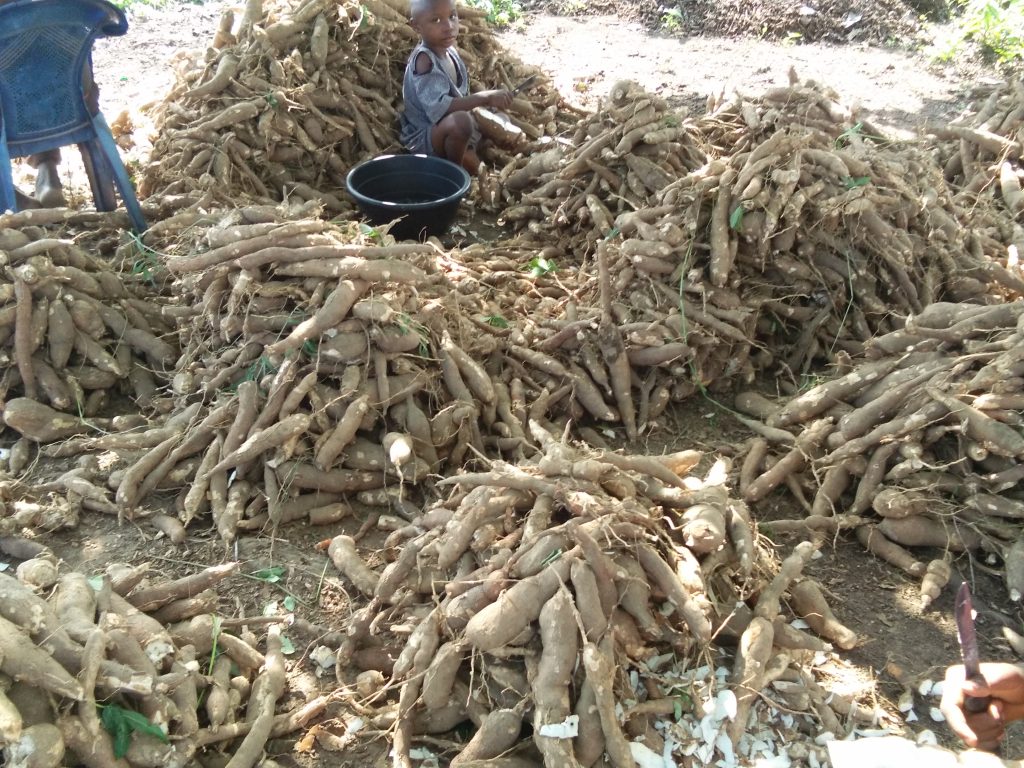
Perishable goods like tomatoes, cassava, potatoes, mangoes, water melon, pawpaw, pears etc., suffer most from FLW in Sub-Saharan Africa, with Nigeria as our focus. If sizable amounts of food that are lost or wasted throughout the supply chains in the agricultural and food sector are to be efficiently (i.e., timely and safely) transported from point of harvest to the final consumers with each stage in the value chain adequately maximized, food security and better living standard can and will be cheaply achieved nationwide.
Measuring progress made in mitigating against FLW
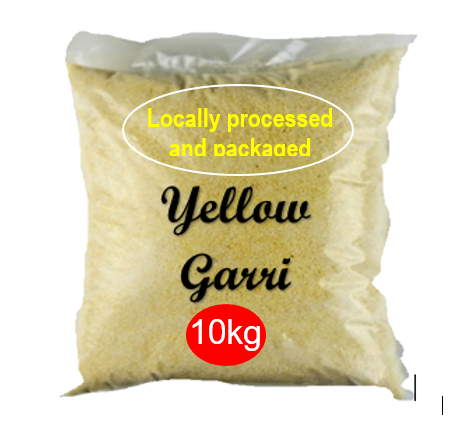
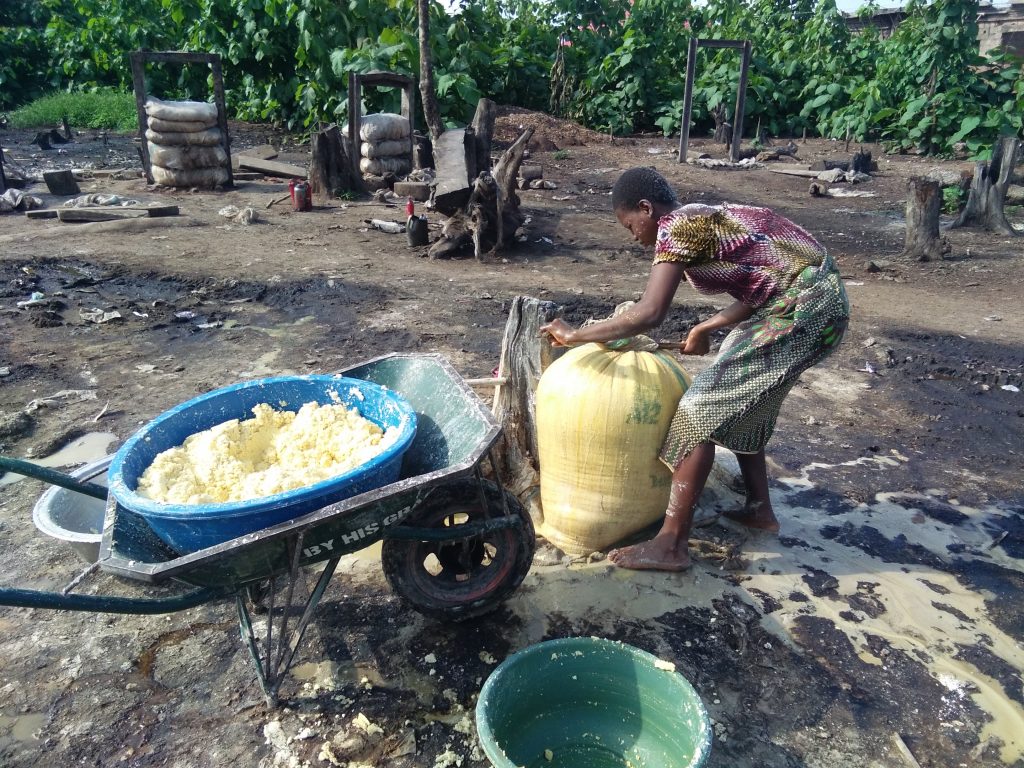
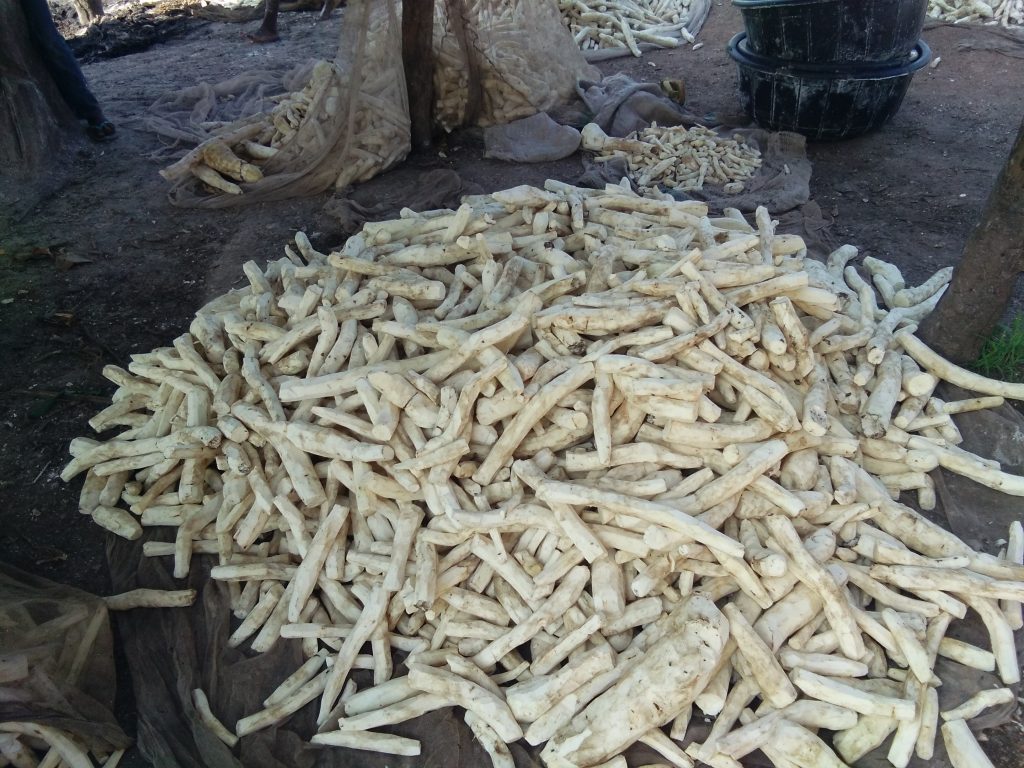
Food processing, which is one of the primary steps towards food preservation, is an act of working on food produce to a point that it can stay for a much longer period than it would in its primary production state without spoiling or losing value. Food can either be fully processed (e.g., cassava to garri) or semi-processed (e.g., cassava to lafu). Food preservation is a major outcome of food processing. Storage of processed food (“banking” food for feature consumption) becomes easier at its processed state.
Packaging is a major value addition in addition to processing and storage values. Packaging helps to brand, scale, advertise and present our local food for both local and international markets. All this makes seasonal foods available all year round and the more of a particular food we have all year round, the more affordable it becomes.
Achievements, however, have been made in our various agricultural and food research based institutions and agencies in the areas of food processing technology. Organisations like FIIRO, IITA, etc., have make a lot of progress in their research efforts into how local foods can be processed, preserved, stored and packaged to last all year round with their qualities intact. Through the efforts of some of these research institutions, we can now bake bread using purely cassava flour as complete substitute for wheat flour. Poultry and ruminant feeds can now be made out of cassava peels as also many other local produce can now be processed into forms that provide great value additions. The list goes on and on.
Our local entrepreneurs at micro and small scales on the other hand are cashing in and many have taken the challenge to process and package so many of our local foods for local and global markets. As you read this there are so many brands of Bambara beans flour, soya beans flour, beans flour, potato flour, potato garri, plantain flour, date powder, date syrup, garlic power, ginger powder, onion powder, peanuts butter, coconut oil, cassava flour and a whole lot of others.
However, the scale and rate at which most of these economic and entrepreneurial activities are going is too slow, too low and too inadequate to mitigate adequately against FLW or post-harvest loss to engender the desired economic growth and generate adequate employment. Our government still have a great deal of works to do in this direction as so much vacuum still exist to be filled and so many loose ends need to still be tightened to adequately mitigate against FLW.
Obstacles to progress
A number of obstacles exist on the paths to solving FLW. These obstacles include:
- Absence or inadequate information available to small holder farmers from relevant bodies due to absence or poor communications or even training system that should bridge the knowledge gap.
- Poverty and lack of fund on the part of nano, micro and small scale entrepreneurs and enterprises. This prevents them from engaging in food processing and packaging on a much larger scale than is presently obtainable.
- Absence of technical skills or expertise on the part of nano, micro and small entrepreneurs as far as food processing, preservation and packaging is concerned.
- Lack of a robust, sustainable and all inclusive national food supply chain network policy
- General systemic corruption.
Roadmap to progress (Our Recommendation)
The problem and its effects face all of us daily. We see unsold and wasted food every day in our local markets where spoiled foods are thrown into gutters and dustbins everywhere due to lack of proper preservation. This is in addition to those that could not get to the market due to lack of good facilities for transporting and storing and preserving them. It will take a compassionate and dispassionate resolve on the part of policy makers to embark on this journey to mitigate against these unnecessary colossal wastes while hunger ravages the citizens. An unflustered political will on the part of all government stakeholders in conjunction with private stakeholders is required to create an uncluttered national roadmap towards eliminating or reducing FLW and consequently bringing about food security and employment.
As an NGO that feels the pulse and pains of the people at personal and grassroots levels, we recommend a simple roadmap towards solving FLW to better the lots of small holder farmers, nano, micro and small scale entrepreneurs for mass employments opportunities for our ever-increasing unemployed and under-employed youths. Below are 5 points agenda highlighted by DPat Foundation to through which to reach this goal.
- Collaboration between relevant MDAs and private organization to come up with a blueprint on national food supply value chain. With endorsement of the presidency this can become the guiding policy for all farmers, middlemen and MSMEs in food supply value chain right from harvest stage to consumption stage. The main objective of the blue print being the curb food loss and wastage through food processing, preservation and packaging.
- Training in food processing and packaging in partnership with NGOs like DPat Foundation and other private organizations who have years of experience in empowering entrepreneurs.
- Such food processing and packaging skills training should be provided for nano/micro and small scale entrepreneurs to meet global best practice – national and international standards like SONCAP, MANCAP, ISO etc.
- Adequate funding facility should private to the trainee so they can operate at expanded scales thereby generating better income and jobs while mitigating against FLW.
- The blueprint should be subject to periodic reviews to meet new or emerging challenges.
Measuring Progress Going Forward (meeting our objectives).
In conclusion, how do we know when our objectives, namely, curbing food loss and wastage through food processing and packaging is achieved? The following indices would help measure the progress if such a scheme or blueprint is formulated and implemented.
- Increased food security through the availability of seasonal foods all year round.
- Food affordability due to less food loss and food wastage.
- Better or improved income level for small holder farmers.
- More employment opportunities for our women and youths
- Increased income and forex from local cottage food packaging industries.
- Increased gross domestic products (GDP) in the food and agric. Sub-sector.